

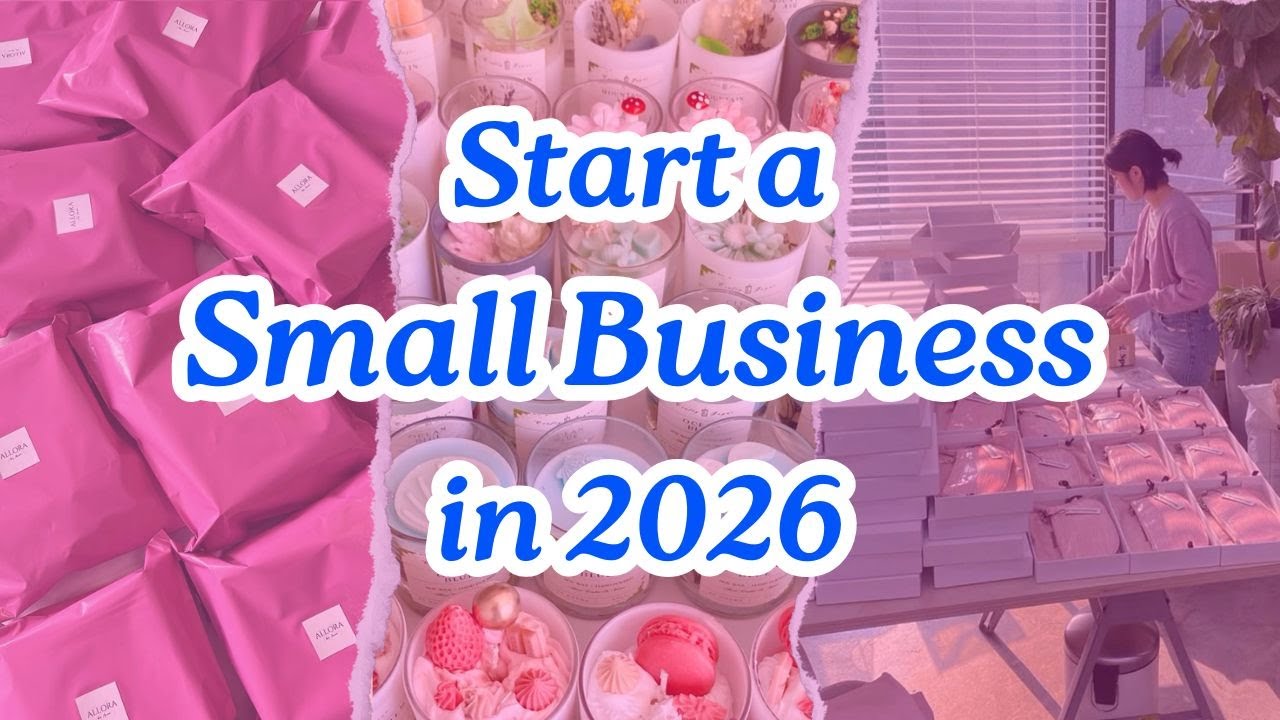
Starting a small business in 2026 has become easier than ever due to digital tools, online platforms, and global access to customers. However, many beginners still struggle because they don’t know where to start or how to plan properly. This guide explains a simple, step-by-step process to help you launch a small business with clarity, confidence, and a strong foundation for long-term success.
Understanding Your Business Idea and Market
Identifying a Profitable Small Business Idea
Choosing the right business idea is the first and most important step in starting a small business. In 2026, profitable ideas are usually based on solving real problems, offering convenience, or providing digital services. Instead of copying others, focus on what people actually need and what you can realistically manage as a beginner. A strong idea should be simple, scalable, and easy to understand so you can build it without confusion or high risk.
Researching Market Demand and Competition
Before starting, it is important to understand whether people are already looking for your product or service. Market research helps you avoid wasting time on ideas that have no demand. You can study competitors, analyze customer behavior, and explore trends to understand what works. The goal is to find a balance between demand and competition so your small business has room to grow even in a crowded market.
Defining Your Target Audience Clearly
A successful small business always knows its audience. Instead of trying to sell to everyone, focus on a specific group of people who are most likely to buy from you. Understanding your target audience includes knowing their age, interests, problems, and buying habits. This clarity helps you create better products, improve marketing, and communicate more effectively, which is essential for long-term business success.
Planning and Structuring Your Small Business
Creating a Simple Business Plan
A business plan acts as a roadmap for your small business journey. It does not need to be complex; it should clearly explain what you are selling, how you will earn money, and what steps you will take to grow. A simple plan keeps you focused and reduces confusion when making decisions. It also helps you track progress and stay organized as your business develops over time.
Setting Realistic Goals and Budget
Setting goals is important because it gives direction to your efforts. In 2026, successful entrepreneurs focus on small, achievable milestones instead of unrealistic expectations. Along with goals, budgeting is equally important. You need to calculate how much money you can invest and how you will manage expenses. Proper planning ensures your business stays stable and avoids unnecessary financial pressure.
Choosing a Legal Structure for Your Business
Every small business needs a structure that defines how it operates legally. This could be a sole proprietorship, partnership, or registered company depending on your country and business type. Choosing the right structure helps you manage taxes, responsibilities, and legal protection. It is important to understand the basic requirements so your business runs smoothly without legal issues in the future.
Building and Launching Your Business
Setting Up Your Online or Offline Presence
In today’s digital world, having an online presence is essential for any small business. This may include a website, social media pages, or online store depending on your business model. Even offline businesses benefit from online visibility because customers search online before making decisions. A strong presence helps build trust and makes it easier for customers to find and engage with your brand.
Creating Your Brand Identity
Brand identity is how people recognize your business. It includes your business name, logo, colors, and overall style. A strong brand makes your business look professional and memorable. Consistency in branding builds trust and helps you stand out from competitors. Even small businesses can create powerful branding by focusing on simplicity and clarity rather than complexity.
Launching Your First Product or Service
Launching is the moment your business becomes real. At this stage, you introduce your product or service to the market and start attracting customers. A successful launch does not require perfection; it requires readiness and confidence. Focus on solving a real problem and making it easy for customers to understand what you offer. Early feedback helps you improve and grow quickly.
Growing and Scaling Your Small Business
Marketing Your Business Effectively
Marketing is the key to getting customers. Without marketing, even the best product will remain unnoticed. In 2026, digital marketing plays a major role, including social media, search engine optimization, and content creation. The goal is to reach the right audience and communicate your value clearly. Consistent marketing builds awareness and gradually increases sales over time.
Improving Customer Experience and Retention
A successful small business is not just about gaining customers but keeping them. Customer experience includes how people feel when they interact with your business. Good communication, fast response, and quality service build trust and loyalty. Retaining customers is more cost-effective than acquiring new ones, making it a key factor in long-term success.
Scaling Your Business for Long-Term Growth
Scaling means growing your business beyond the initial stage. This can include expanding your product range, entering new markets, or automating processes. The focus should be on increasing income without increasing workload at the same rate. Smart scaling helps your small business become more stable, efficient, and profitable over time.
FAQs
1. What is the first step in starting a small business?
The first step is choosing a profitable business idea based on market demand and your skills.
2. Do I need a lot of money to start a small business?
No, many small businesses can be started with low investment or even online for free.
3. How important is a business plan?
A business plan is very important because it provides direction and helps you stay organized.
4. Can I start a small business from home?
Yes, many modern small businesses can be started and managed from home using online tools.
5. How long does it take to become successful?
Success depends on consistency, but most small businesses take several months to grow steadily.
Conclusion
Starting a small business in 2026 is an achievable goal for anyone willing to learn, plan, and stay consistent. With the right idea, proper planning, strong branding, and effective marketing, you can build a business that grows over time. The key is to take action early, stay patient, and continuously improve your strategy as you gain experience.
