

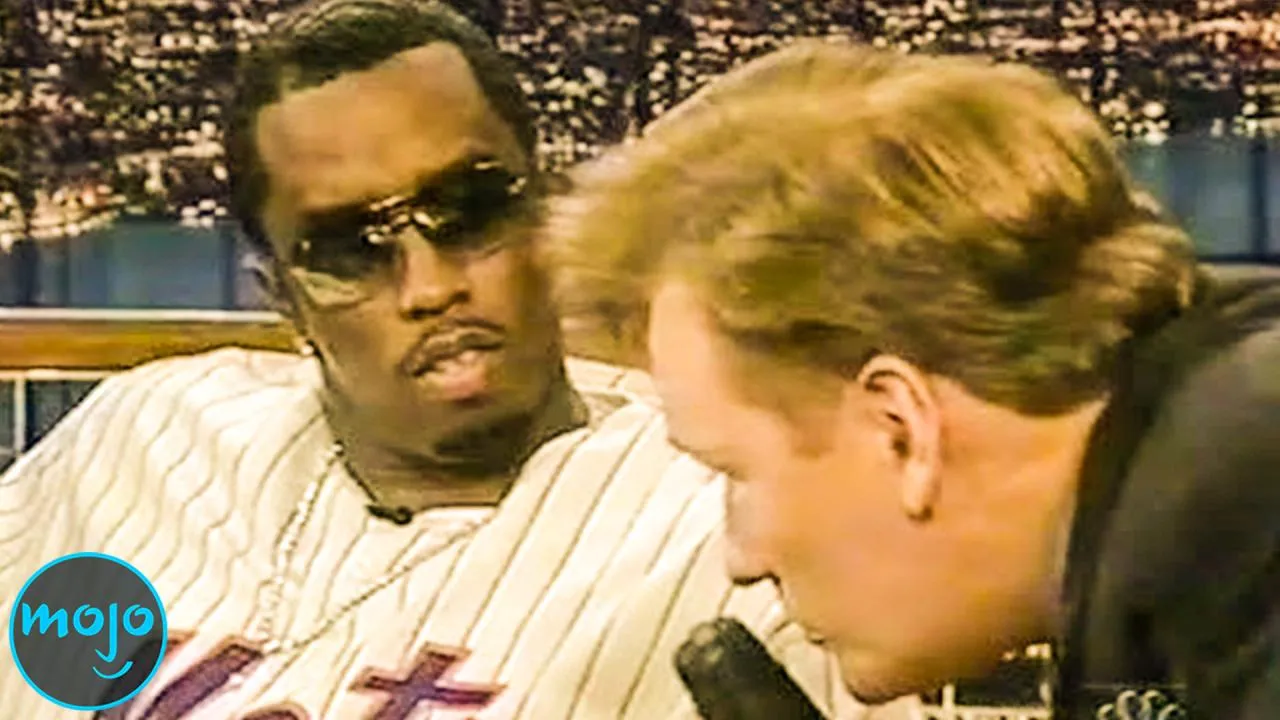
Celebrity interviews are meant to entertain, inform, and give fans a closer look at their favorite stars. However, not every interview stays professional or respectful. Over the years, several celebrity interviews have sparked controversy due to overly personal questions, emotional breakdowns, awkward confrontations, and moments that crossed ethical boundaries. These viral moments often raise questions about journalism standards, privacy, and the pressure celebrities face in the public eye. In this article, we explore why some of the most controversial celebrity interviews became so intense, what went wrong behind the scenes, and what these incidents reveal about media culture today.
When Celebrity Interviews Crossed the Line
Overly Personal Questions and Privacy Invasion
One of the most common reasons celebrity interviews go too far is when interviewers ask overly personal or invasive questions. While curiosity is part of entertainment journalism, some questions cross boundaries into private life, relationships, and mental health. This often puts celebrities in uncomfortable positions where they feel pressured to respond publicly. In many controversial celebrity interviews, the focus shifts from professional achievements to personal struggles, creating emotional tension. Such situations highlight the importance of respecting privacy even in public-facing roles. When interviews become too intrusive, they often lead to backlash from both fans and media critics who believe certain topics should remain off-limits.
Emotional Breakdowns During Live Interviews
Live interviews can become unpredictable, especially when sensitive topics are discussed. In several high-profile cases, celebrities have broken down emotionally on camera due to stress, trauma, or unexpected questions. These moments often go viral, but they also raise ethical concerns about whether the interview should have continued in that direction. Emotional breakdowns in interviews show how public pressure affects mental health in the entertainment industry. While some viewers see these moments as “real” and “honest,” others believe they should never be aired or amplified. This controversy continues to shape how media outlets handle emotional or sensitive discussions with public figures.
Viral Clips and Social Media Amplification
In the digital age, even a short clip from a celebrity interview can go viral within minutes. Unfortunately, this often amplifies controversial moments without context. A single uncomfortable exchange can be edited, shared, and discussed millions of times across platforms. This has led to many “most controversial celebrity interviews” becoming internet sensations. However, the viral nature of these clips can distort reality and increase public pressure on celebrities. Social media also encourages instant judgment, where audiences form opinions based on short segments rather than full interviews. This trend has changed how interviews are conducted and consumed worldwide.
Journalism Ethics and Celebrity Interview Culture
The Balance Between Entertainment and Responsibility
Celebrity interviews often walk a fine line between entertainment and ethical responsibility. Journalists are expected to ask engaging questions, but they must also maintain respect for personal boundaries. Controversial interviews usually happen when this balance is lost. In pursuit of higher ratings or viral moments, some interviewers push conversations too far. This raises important questions about journalistic integrity in modern media. Responsible interviewing means knowing when to stop, especially when topics become emotionally sensitive or potentially harmful. Maintaining this balance is essential for preserving trust between celebrities, journalists, and audiences.
Pressure to Create Viral Moments
In today’s media landscape, viral content drives traffic, views, and revenue. This pressure often influences how interviews are conducted. Some interviewers intentionally push boundaries to create shocking or memorable moments. While this may increase visibility, it also contributes to controversial celebrity interviews that feel forced or uncomfortable. The pursuit of virality can overshadow meaningful conversation and turn interviews into staged drama rather than authentic discussions. This trend reflects a shift in journalism, where engagement metrics sometimes matter more than ethical storytelling.
Celebrity Reactions and Public Backlash
When interviews go too far, celebrities often respond through statements, social media posts, or future interviews. Public backlash can target both the interviewer and the media outlet involved. Fans usually defend their favorite celebrities, especially when they feel the interview was disrespectful. These reactions can escalate controversies further, keeping the incident in public discussion for weeks. In some cases, such interviews even damage the reputation of media organizations. This ongoing cycle shows how powerful public opinion has become in shaping the outcome of controversial media moments.
Impact of Controversial Interviews on Media Industry
Changes in Interview Formats and Guidelines
As controversial celebrity interviews gained attention over time, many media organizations began updating their interview guidelines. Journalists are now more cautious about sensitive topics, especially regarding mental health, relationships, and personal trauma. Some platforms have introduced pre-approved question lists or advisory teams to avoid ethical mistakes. These changes aim to ensure interviews remain respectful while still engaging audiences. The industry has learned that long-term credibility is more important than short-term viral success. As a result, interview formats are gradually becoming more structured and thoughtful.
Rise of Controlled and Edited Interviews
To reduce risk, many celebrities now prefer controlled or pre-recorded interviews. Unlike live sessions, edited interviews allow content teams to remove uncomfortable or inappropriate segments. While this reduces controversy, it also limits spontaneity. Some audiences feel that controlled interviews are less authentic, but they provide a safer environment for public figures. This shift shows how the media industry is adapting to avoid repeating past mistakes related to controversial celebrity interviews. The balance between authenticity and safety continues to evolve.
Audience Expectations and Changing Viewership
Modern audiences are more aware of media ethics than ever before. Viewers now expect respectful and meaningful conversations rather than sensationalism. At the same time, curiosity about celebrity personal lives remains high. This contradiction creates tension in content creation. Media outlets must now carefully design interviews that are both engaging and responsible. As audience awareness grows, controversial content is more likely to face criticism rather than admiration. This change is reshaping how celebrity interviews are planned and executed.
FAQs
1. What makes a celebrity interview controversial?
A celebrity interview becomes controversial when it includes invasive questions, emotional breakdowns, or disrespectful behavior.
2. Why do some interviews go viral?
They often go viral due to emotional moments, shocking statements, or awkward exchanges shared on social media.
3. Are controversial interviews planned?
Most are not planned, but some may become intense due to unexpected questions or live reactions.
4. How do celebrities react to controversial interviews?
They usually respond through public statements, interviews, or social media clarification.
5. Do media companies change after controversies?
Yes, many companies update their interview policies to ensure more ethical and respectful conversations.
Conclusion
Controversial celebrity interviews highlight the complex relationship between media, celebrities, and audiences. While they often generate attention and viral moments, they also raise important questions about ethics, privacy, and responsibility in journalism. As the media industry evolves, there is a growing need for balanced storytelling that respects personal boundaries while still engaging viewers. Ultimately, the future of celebrity interviews depends on finding the right balance between curiosity and compassion.
