

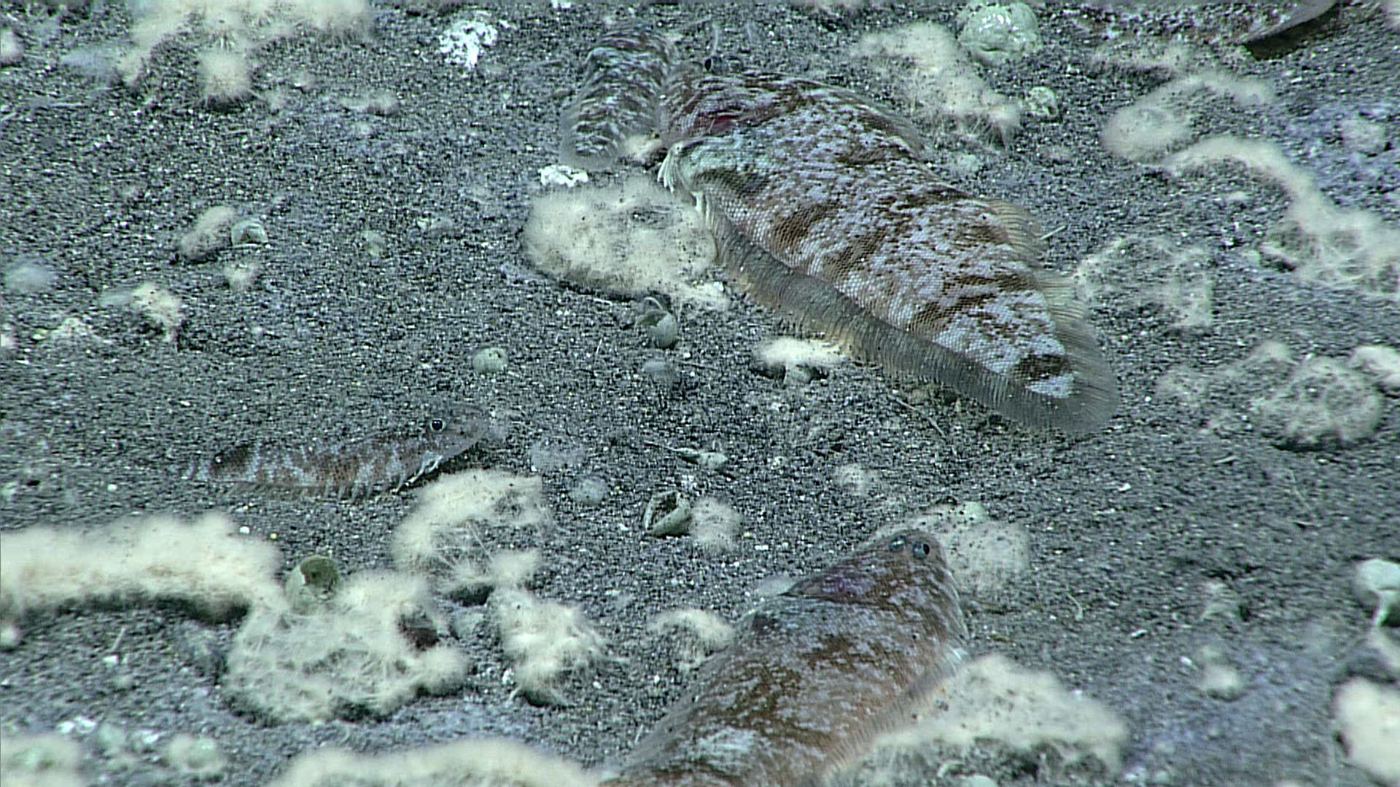
Two kilometres below the surface, where no sunlight has ever reached, cracks in the ocean floor leak water heated to hundreds of degrees by the rock beneath. Around these hydrothermal vents, life flourishes in conditions that would kill most creatures. Giant tube worms with no mouths, white crabs, pale fish and dense beds of mussels crowd the warm water, fed not by sunlight but by bacteria that turn the chemicals in the vent water into food. The discovery of these communities in the 1970s overturned the idea that all life on Earth depends on the sun, and it raised the possibility that similar life could exist in the dark oceans beneath the ice of distant moons. The water that pours from a vent is loaded with minerals and gases from deep inside the Earth, and the bacteria that live there use those chemicals as their energy source, much as plants use sunlight. Whole food webs are built on that chemistry, from grazing snails to the fish that hunt among the chimneys.
What the Evidence Shows
Scientists are still cataloguing the species that live at the vents, and new ones are found on almost every expedition. Some of the bacteria thrive in water hot enough to melt lead, and the enzymes they produce are now used in laboratories and industry. The vents are also rich in minerals, and mining companies have begun to look at them, raising fears that the fragile communities could be destroyed before they are properly studied. Researchers are calling for parts of the deep ocean to be protected, and for the rules of mining to be written before the machines arrive. They say the vents are a reminder of how much of our own planet remains unexplored. Expeditions to the vents are expensive and rare, so each visit is planned for years in advance and every sample is shared between research teams. Scientists say the pace of discovery is limited less by curiosity than by the cost of sending a ship to the middle of the ocean. Reporting and analysis from sources such as National Science Foundation track the same developments, and specialists following the deep-sea hydrothermal vent communities say the direction is now consistent across independent lines of evidence.
The Wider Context
The wider context is a research landscape in which replication and open data now decide reputations. Findings connected to the deep-sea hydrothermal vent communities are being checked by independent groups with shared datasets, and the teams involved publish their methods in full so rivals can test every step. That discipline is slower than a headline cycle, but it is why results in this area increasingly survive first contact with scrutiny.
What Happens Next
What happens next in the story of the deep-sea hydrothermal vent communities will be decided by follow-up work already under way: larger samples, longer observation and instruments that have not yet come online. The researchers involved are unusually united on one point, that the current results justify the next investment of time and money. Readers will not have to wait long for the first tests of that claim. You can follow related developments in our coverage of science.
There is a practical lesson in all of this for readers deciding what to do today. Start with the verified facts, be wary of anyone promising certainty, and prefer reversible steps while the evidence is still developing. Circumstances differ by country, income and personal situation, so general guidance should always be weighed against your own context before you act on it in any significant or lasting way.
