

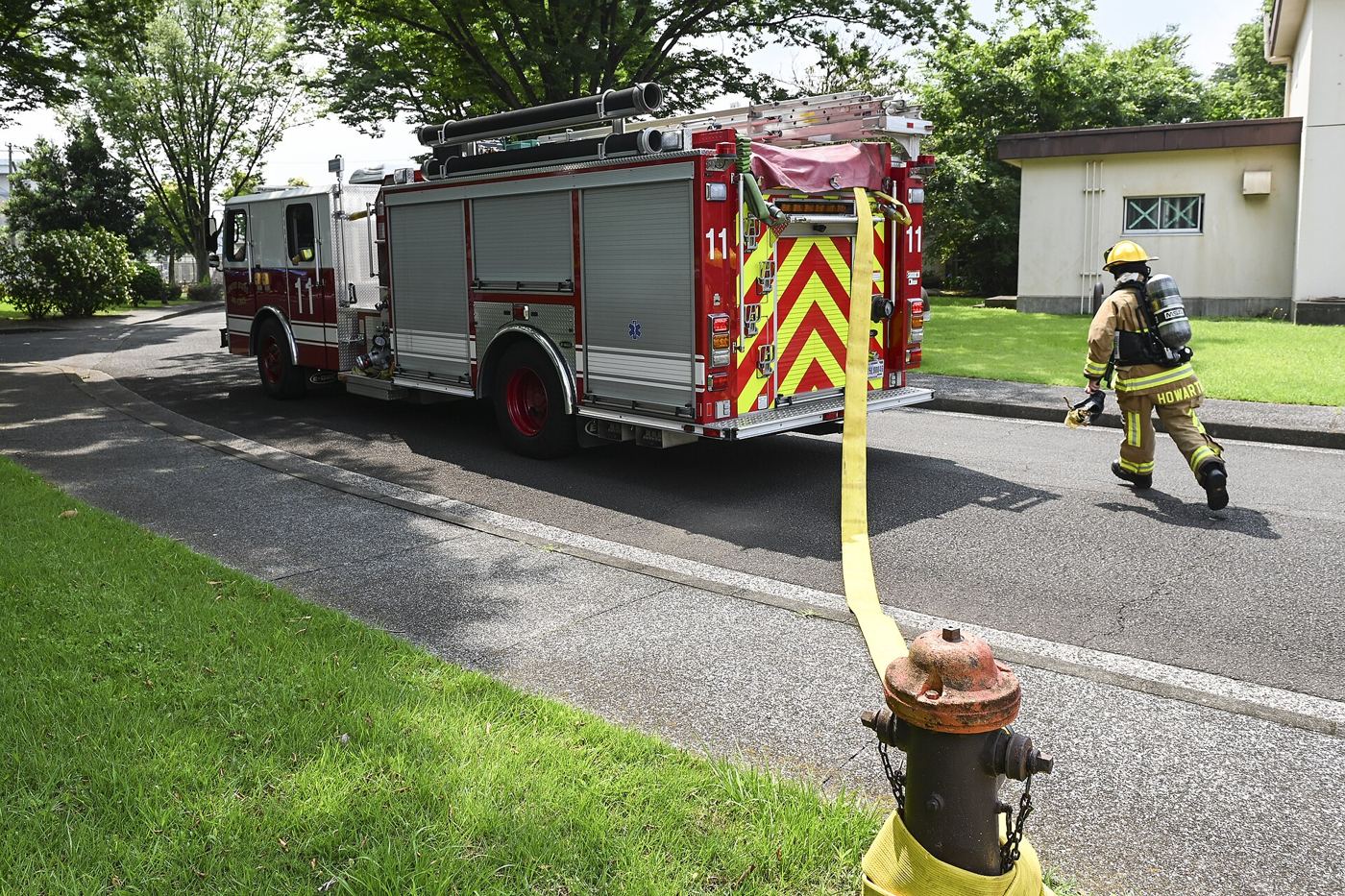
Wildfires that once stayed in remote forests are now reaching the edges of towns and cities, forcing fire services to train for a threat that looks very different from a house fire. Crews practise defending homes from wind-driven embers, which can travel far ahead of the main fire and ignite roofs, gutters and garden furniture. Training now includes reading fire behaviour, predicting how a blaze will spread through dry grass and scrub, and deciding when a neighbourhood must be evacuated rather than defended. Fire chiefs say the exercises have changed the way crews think: a fire that reaches a town is fought house by house, and success depends as much on preparation by residents as on the skill of the firefighters. Homeowners are being urged to clear dry vegetation, clean gutters and use fire-resistant materials, since a prepared home can survive while an unprepared one nearby is lost. The training reflects a new reality for fire services, which once fought wildfires far from towns but now find them arriving at the edge of housing estates.
What the Evidence Shows
The science behind the training is advancing quickly, with researchers modelling how embers travel in different winds and how different building materials resist ignition. Drones and satellite images help commanders track a fire’s edge in real time, and new communication systems let neighbouring brigades coordinate across large areas. Climate researchers warn that the fire season is lengthening in many regions, with hotter, drier summers making vegetation easier to ignite and harder to control. Fire services are responding by recruiting more seasonal crews, pre-positioning equipment in high-risk areas and running public education campaigns before the season begins. The lesson from recent fires, chiefs say, is that the time to prepare is long before the smoke appears on the horizon. Residents who attend the training sessions say they feel far more confident afterwards, knowing which documents to pack and which roads to use if an evacuation order comes. Reporting and analysis from sources such as National Science Foundation track the same developments, and specialists following the wildfire-ready fire crew say the direction is now consistent across independent lines of evidence.
The Wider Context
The wider context is a research landscape in which replication and open data now decide reputations. Findings connected to the wildfire-ready fire crew are being checked by independent groups with shared datasets, and the teams involved publish their methods in full so rivals can test every step. That discipline is slower than a headline cycle, but it is why results in this area increasingly survive first contact with scrutiny.
What Happens Next
What happens next in the story of the wildfire-ready fire crew will be decided by follow-up work already under way: larger samples, longer observation and instruments that have not yet come online. The researchers involved are unusually united on one point, that the current results justify the next investment of time and money. Readers will not have to wait long for the first tests of that claim. You can follow related developments in our coverage of science.
There is a practical lesson in all of this for readers deciding what to do today. Start with the verified facts, be wary of anyone promising certainty, and prefer reversible steps while the evidence is still developing. Circumstances differ by country, income and personal situation, so general guidance should always be weighed against your own context before you act on it in any significant or lasting way.
